Wheels, Hitches, or Three Wheels: The First Big Purchase That Decides Your Taco Future
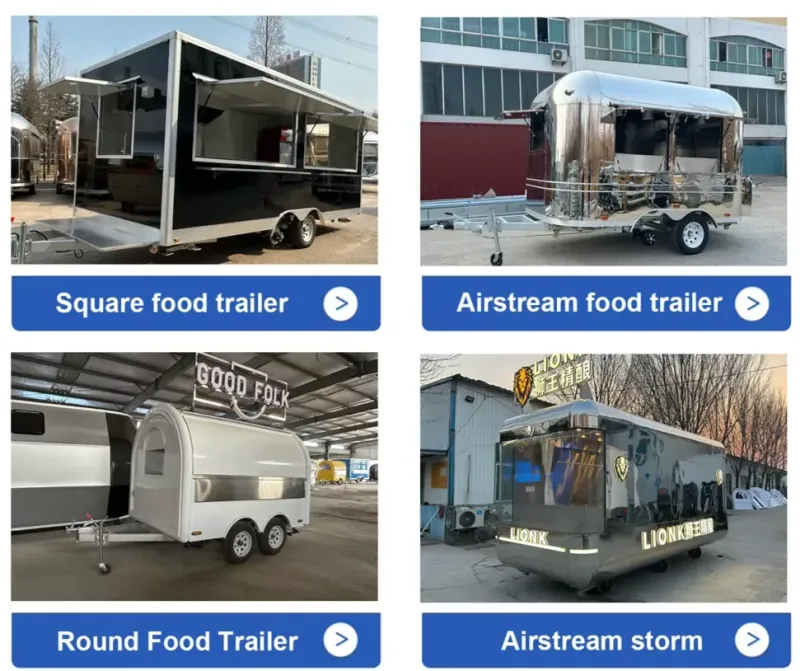
Photo: food truck versus food trailer versus street cart comparison outdoor, via tivasisters.com
Every future taco mogul has the same daydream: a gleaming truck, your name in lights (or at least vinyl), a line around the block. It's a great daydream. Now let's talk about the part of the dream where you're staring at a spreadsheet at 1 a.m. wondering why the propane system costs more than your car.
The first major decision — truck, trailer, or cart — shapes everything downstream: your startup debt, your permits, your menu, even which corners you're legally allowed to park on. Choose wrong and you'll spend years paying for it. Choose right and you might actually make it to year three, which puts you ahead of most.
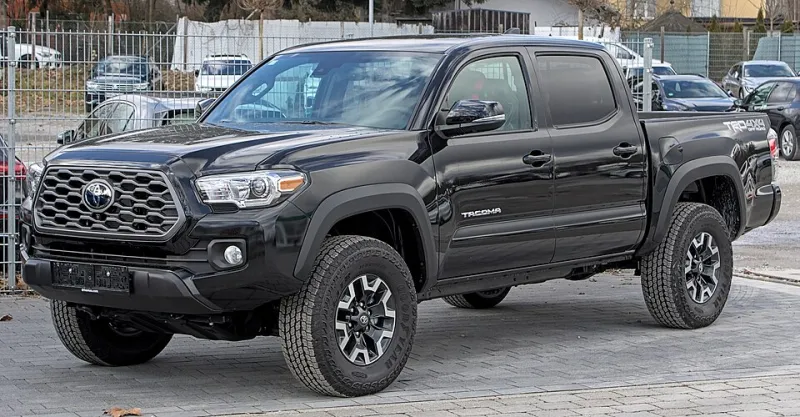
The Truck: The Dream, With a Payment Plan
A turnkey food truck runs anywhere from $75,000 to $200,000 new, and even used rigs in decent shape routinely clear $50,000. Add a commercial kitchen buildout — hood, fire suppression, propane, three-compartment sink, generator — and the numbers climb fast.
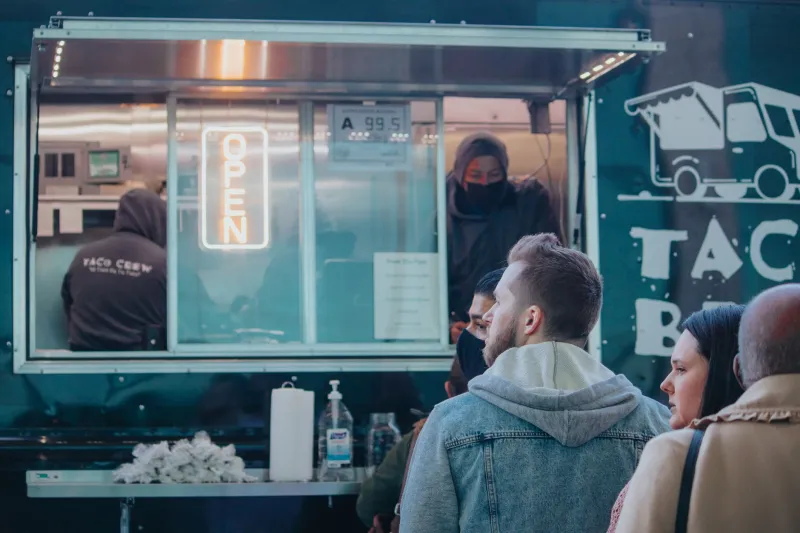
What you get: total mobility, serious cooking capacity, and presence. A truck is a billboard that makes tacos. It shows up to festivals, caters weddings, and looks fantastic in Instagram photos.
What they don't tell you: trucks break down, and a truck that doesn't move doesn't make money. One transmission failure can cost you $8,000 plus a week of lost sales. Insurance, registration, and commercial vehicle maintenance add thousands annually. And in many cities, trucks face stricter permit categories than trailers or carts, with some downtown zones simply off-limits.
The Trailer: The Unsexy Middle Path
A food trailer — towed behind a pickup or SUV — typically costs $20,000 to $60,000 built out, sometimes less used. You get most of the kitchen of a truck at roughly half the price, and here's the sleeper advantage: if the tow vehicle dies, you fix a truck, not your business. The kitchen itself has no engine to ruin.
The tradeoffs are real. You need a vehicle rated to tow it. Setup and teardown eat time every single day — leveling, hitching, unhitching, maneuvering into spots designed by people who hate trailers. Some events and venues flat-out prefer self-propelled trucks. And backing a trailer into a tight downtown spot after a 12-hour day is a special kind of character-building exercise.
But for first-timers watching every dollar, trailers punch way above their weight. Plenty of extremely successful operations started behind a hitch.
The Cart: Small, Mighty, and Misunderstood
The humble taco cart — $2,000 to $15,000 fully equipped — is the most underestimated business in street food. Hot dog carts built empires in Los Angeles. Elote and tamale carts feed entire neighborhoods. A cart's startup cost is so low that you can be profitable in month one instead of month thirty.
The limits are obvious: no fryer, limited prep, weather exposure, and menu constraints that rule out anything requiring serious equipment. But carts shine where trucks struggle — dense foot traffic, plazas, bar districts, event perimeters. Low overhead means you can survive slow months that would bankrupt a truck with a $2,500 monthly payment.
The Mistakes That Sink First-Timers
After watching dozens of launches (some glorious, some spectacular), the same errors show up again and again:
-
Buying the truck before validating the concept. Spending $120K on a rig before you've sold a single taco at a friend's party is not a business plan. It's a very expensive leap of faith.
-
Underestimating permits by 300%. Whatever you budgeted for health department requirements, fire inspections, commissary agreements, and local licenses — triple it. The paperwork alone has killed more taco dreams than bad salsa ever will.
-
Ignoring the commissary requirement. Most jurisdictions require a licensed base kitchen for prep and dishwashing. That's $500–$1,500 monthly that never appears in the glossy startup articles.
-
Buying cheap, then rebuilding. The $18,000 used trailer with mystery wiring and a residential water heater becomes a $40,000 trailer after the health inspector's visit. The cheapest option is often the most expensive lesson in the business.
-
No cash runway. You need three to six months of operating costs banked before opening day. Sales are never consistent in year one, no matter how good your pastor is.
The Verdict
If you have deep pockets and festival ambitions, the truck earns its price. If you're smart with money and patient with logistics, the trailer is the best value in street food, full stop. And if you're starting with savings and hustle instead of capital, the cart isn't a consolation prize — it's the fastest path to actually learning the business.
Whatever you choose, remember the equipment is the least important ingredient. The truck doesn't make the tacos. You do. The wheels just get you to the corner where the line forms.